
Rotary Enterprise Zones not only teach others how to fish (proverbially) but provide them with a fishing pole and mentoring for at least one year.
HOW IT WORKS
Local Rotarians help coordinate five types of capital (see "More Than Money" by Professor Paul Godfrey) to help enable development and sustainable growth in under-served regions of the world. Training helps participants learn self-reliance skills for home, business, and community. Those who graduate from the training may qualify for capital grants (jointly funded by Rotary and local governments) to start or grow a business. Facilitators and Rotarians
mentor each business for one year to increase their likelihood of success. This may qualify each for Microenterprise Finance or Bank loans for additional capital needs. Every Rotary Enterprise Zone also plans and implements yearly self-reliance projects for their community.
Providing all five forms of capital needed to eliminate poverty.
• Six-month self-reliance training for home, business, & community
• Capital Grants
• Mentoring for at least one year.
ORGANIZATIONAL CAPITAL
• Rotarians empower team formation to coordinate community self-reliance projects & future training
• Proven program
• Trained facilitators
• Materials available in several languages
PHYSICAL CAPITAL
• Seed Capital Grants funded by Rotary & local govt.’s
• Incentive for participants to graduate
• NGO facilitators
• Local Rotarians
• Local govt. staff
SOCIAL CAPITAL
• Graduation ceremonies celebrated by govt. leaders
• Local Rotary clubs
• NGO support-staff and mentors
PROGRAM CONTACT
Mark Maxfield
MarkAllenMaxfield@gmail.com
1+801•550•2150
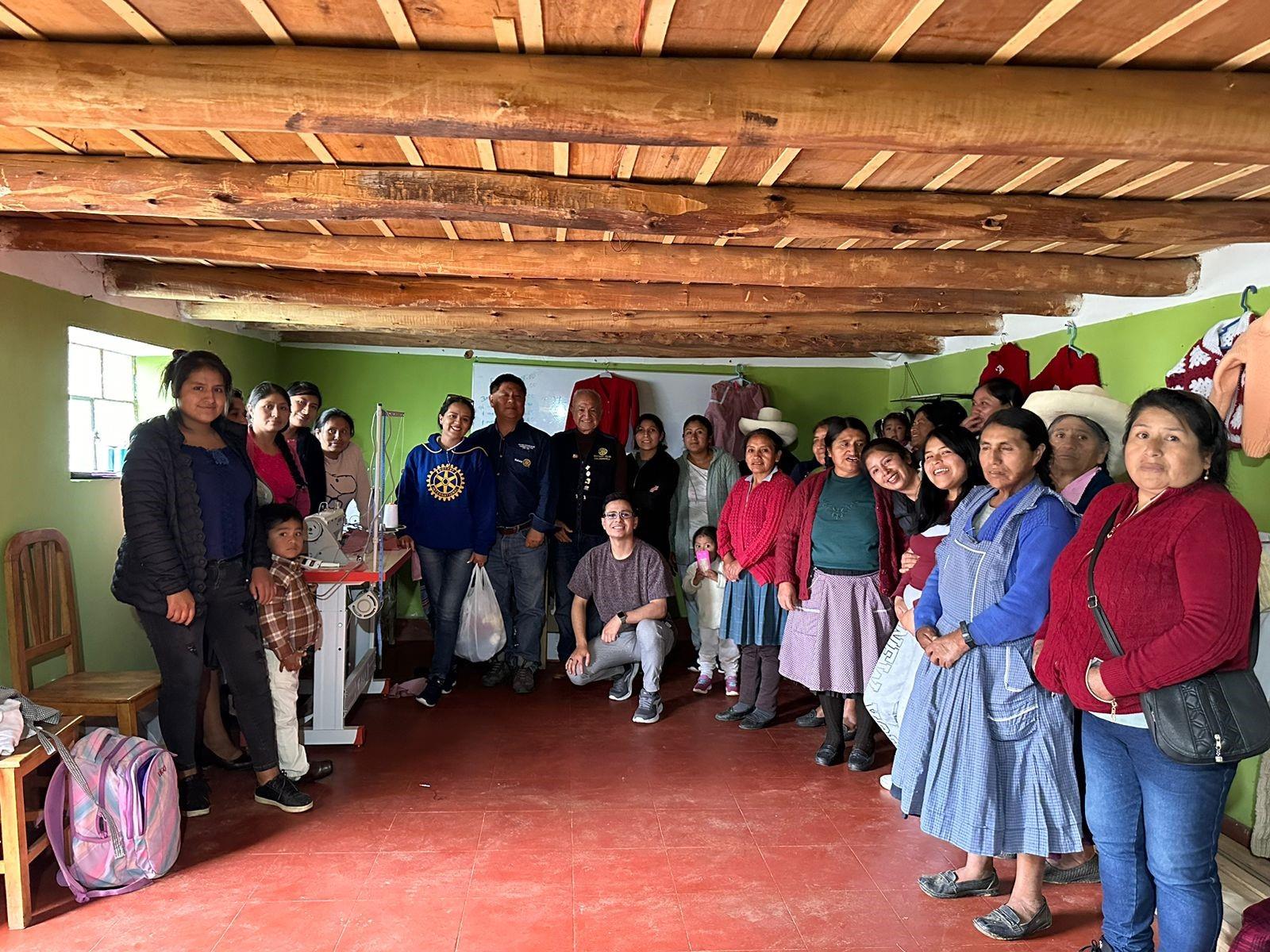 This is a picture of one of the many Rotary Enterprise Zone groups that have been established in Cajamarca, Peru.