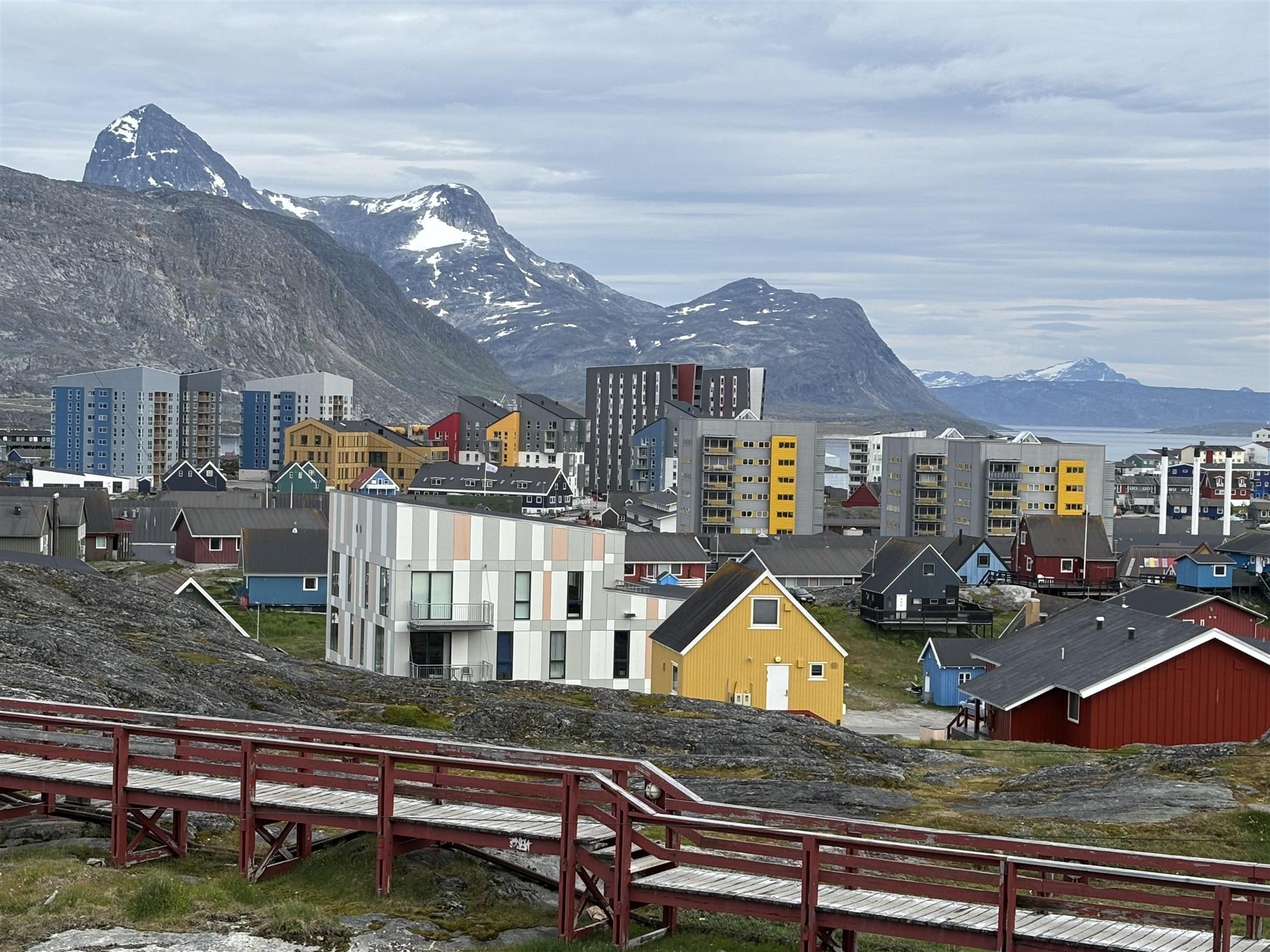
When fellow club member Jay Jacobson, MD visited Greenland following an Arctic cruise, they expected breathtaking scenery, fascinating history, and remarkable wildlife. What they did not expect was a powerful reminder that the heart of Rotary is found not in places, but in people.
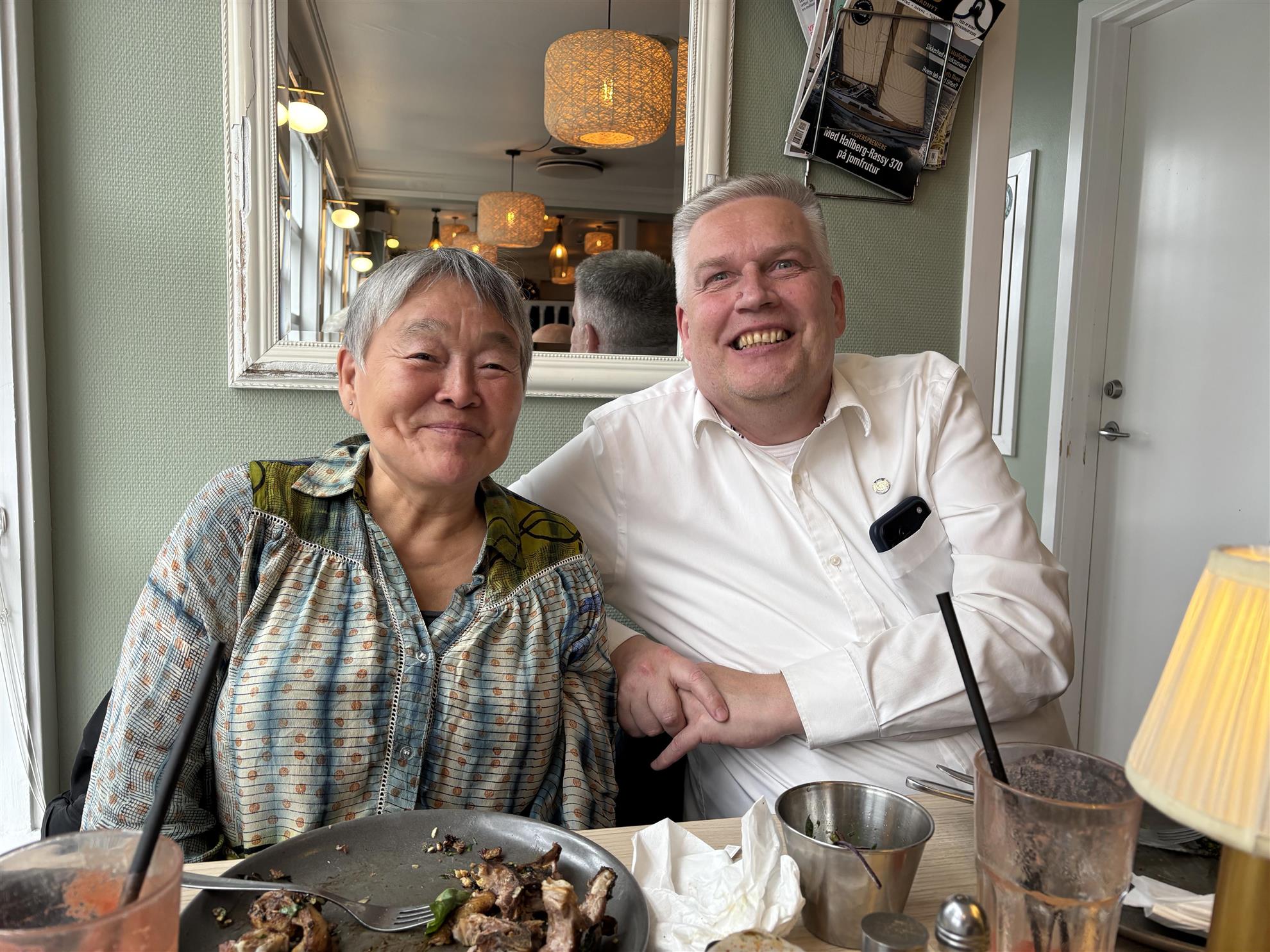
That lesson came through their friendship with Martin Vestergaard of the Rotary Club of Nuuk. From the moment an introduction was made through a fellow Rotarian; Martin quickly demonstrated what Rotary's global fellowship truly means. He welcomed his visitors with warmth, shared an insightful tour of Nuuk, and surprised them with a farewell dinner that became one of the most memorable moments of the entire journey.
For former Salt Lake City Rotary Club President Jay Jacobson, the experience reinforced a simple truth: personal relationships create understanding, break down misconceptions, and lay the foundation for meaningful collaboration across cultures and continents.
Discovering Greenland Through Rotary
The trip offered extraordinary opportunities to explore Greenland's stunning fjords, marine wildlife, geology, and ancient human settlements. Yet it was through conversations with local residents and Rotarians that the visitors gained their deepest insights into Greenland's culture and contemporary challenges.
One topic that particularly resonated with them was education.
As Martin discussed his vision for his upcoming presidency of the Rotary Club of Nuuk, he spoke candidly about a challenge facing many communities in Greenland: encouraging young people, especially boys and young men, to complete their education and pursue meaningful career paths.
The conversation sparked comparisons with a tutoring project supported by the Rotary Club of Salt Lake City. The program works with sixth-grade students, many from immigrant families, helping them strengthen their reading and mathematics skills. While the circumstances differ, both communities share a commitment to creating opportunities for young people through education and mentorship.
The discussion opened the door to future collaboration, with the possibility of sharing Rotary projects, educational resources, and research that might benefit communities in both countries.
 Learning Beyond the Guidebooks
The visit also demonstrated how travel becomes richer when curiosity is paired with conversation.
While visiting the Nuuk Museum, Jacobson, an infectious disease physician, became intrigued by historical references to devastating epidemics in Greenland. A conversation with a museum employee led to an impromptu lesson in Greenlandic language and medical history. Together they explored the differences between words describing smallpox and chickenpox, illustrating how cultural exchange often happens in the most unexpected moments.
Further research revealed the tragic history of epidemics that affected Greenland's Indigenous Kalaallit population during the eighteenth century. What began as a simple question became an opportunity for mutual learning and a deeper appreciation of Greenland's history and resilience.
"My visit to Nuuk was full of learning," Jacobson reflected, "not just about Greenland and Greenlanders, but even about my own knowledge of epidemics."
Hospitality in the Rotary Spirit
Greenland left a lasting impression for many reasons, including the warmth shown by its people. Visitors encountered signs throughout Nuuk declaring, "Greenland is not for sale," reflecting local pride and identity. Yet everywhere they went, they found themselves welcomed into conversations, shared experiences, and new friendships.
The Rotary connection proved especially meaningful. Martin and his wife, Suzanne, exemplified hospitality and service, making their guests feel at home thousands of miles from Utah. Their friendship transformed a sightseeing trip into a Rotary experience.
Even when severe weather disrupted travel plans and turned the journey home into a 37-hour odyssey through Copenhagen, Munich, New York, and finally Utah, the memories of Nuuk remained overwhelmingly positive.
The Rotary Difference
Before departing, the Salt Lake City Club presented Martin with the club's Centennial Banner, extending an open invitation to visit Utah and speak at Rotary Club 24 whenever his travels allow. The gift symbolized both gratitude and a desire to strengthen the friendship between the two clubs.
The story serves as a reminder that Rotary's greatest strength is not found in buildings, projects, or meetings. It is found in relationships. Whether in Salt Lake City or Nuuk, Rotary members share a commitment to service, understanding, and friendship that transcends geography.
At the edge of the Arctic, those values were not just discussed. They were lived.
"Rotary is a worldwide fellowship." In Greenland, that fellowship came to life.